Archive for the Uncategorized Category

Film Review – Goddess

Posted in Uncategorized on March 14, 2013 by Reel Review Roundup

Goddess (PG)

Directed by: Mark Lamprell

Starring:  Laura Michelle Kelly, Ronan Keating, Magda Szubanski

One and a half stars

Review by: Julian Wright

Goddess is a wolf dressed in sheep’s clothing. A breezy, light as a feather musical that presents itself as a fantasy wish-fulfillment for women who feel restricted by their domestic home lives, chained to their kitchen sinks and dream of breaking away. But at its core, it seethes disdain for the domestic goddess with a message that is dirtier than dishwater. With its heart and its head clearly in two different postcodes, this faux fairytale of liberation and celebration of womanhood appears to want to see housewives back in the kitchen and elbow deep in dishes.

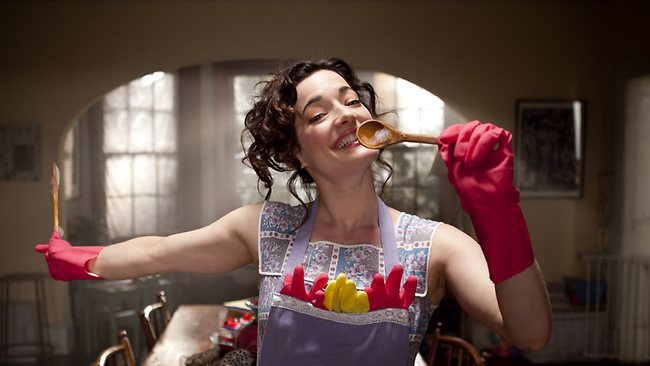
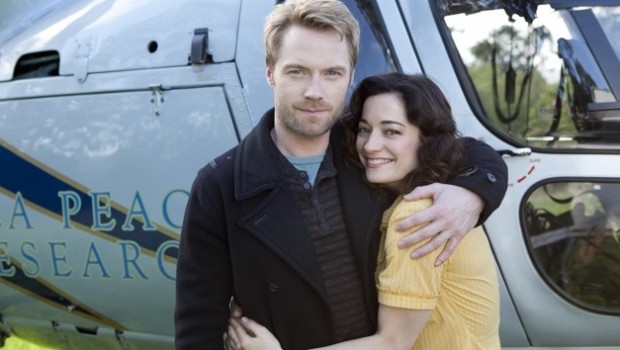
Imaginative and musically inclined Elspeth Dickens is beginning to regret sacrificing pursuing a theatrical career in order to raise a family with her husband James (Ronan Keating). She now spends her days keeping house and running around after their twin boys who are enjoying their terrible twos. Being isolated on a farm in a small seaside town while James works away for weeks at a time does not help, either. In an attempt to connect with others via webcam, Elspeth posts videos of her own home-made sing alongs (one about how she enjoys thinking at her kitchen sink and another about how she wants to be a corporate bitch – clear early indicators that this film is on the wrong track) which piques the interest of Australia’s top ad agency headed by Cassandra Wolfe (Magda Szubanski), who thinks Elspeth embodies “every woman.” Cassandra whisks Elspeth away to the big city and puts her straight to work in their latest and biggest ad campaign. That old saying “be careful what you wish for” begins to rattle around in Elspeth’s head as she comes to realise that juggling a family and a career is not as easy as it may seem.
goddess1

What is it with the female fantasy sub-genre these days? Despite a fun first 20 minutes, Goddess quickly nosedives and does about as much for women’s equality as Sex and the City 2 did, reducing female characters to vacuous ninnies. Elspeth’s continuous irrational behaviour does nothing to enforce the concept that women can handle more than one task at a time and have the ability to make calm, sensible decisions. She dreams of being in the spotlight, so she dumps her children with a stranger and leaves town to chase her dreams while hubby is out at sea. Not the most responsible move.
goddess2

But just when you think Elspeth has developed a backbone when she stands up to her cranky husband (Keating’s limited acting experience does little to steer the character from coming off as threatened by his wife’s success) to pursue her dream, she suffers pangs of guilt, buckles under the thought of leaving her children but also turns her nose up at bringing them along with her. And when things get tough, she allows herself to be charmed by a smooth talking busker. What a catch. This woman is supposed to be a singing, dancing delight but she comes off as a total mess.

Meanwhile, Cassandra, who prides herself on being a leading woman in business who has shattered the glass ceiling for others to follow, berates and emotionally blackmails Elspeth into appearing nude as part of the campaign. So now women are backstabbing bitches who love to flaunt their power and prey on weaker ones around them. For a moment it feels like we have somehow been transported back to the 1940s with this twisted, backwards predilection. But this message would have been rejected even in those more conservative times. I thought these attitudes towards women and their capabilities were washed down the sink years ago.
Film Review – Side Effects

Posted in Uncategorized on March 5, 2013 by Reel Review Roundup

Side Effects (MA)

Directed by: Steven Soderbergh

Starring: Rooney Mara, Jude Law, Catherine Zeta-Jones, Channing Tatum

Four stars

Review by: Julian Wright

Steven Soderberg’s films are so hit and miss for me that in the minutes before I settled in to view his latest project, I was overwhelmed with mixed feelings. Will I like this one or will I be bitterly disappointed? To some, his filmography is an impressive string of achievements, as he swings gleefully from low-budget, guerrilla style film making to big budget studio films. But for me it is like a roller coaster ride of creative highs and lows. How does the man who creates such memorable sizzle in Out of Sight produce such a lifeless heist trilogy with the Ocean’s films? Then there are those that show immense promise like Magic Mike and Contagion, which are competently made but flawed and unremarkable.

side2

Soderberg’s filmography is unparalleled. The man is nothing if not eclectic, experimental, adventurous and bloody hard-working. This guy churns out an average of two films per year. Perhaps his zeal and creativity is what many people love about him. For me, his films so rarely click that I can never predict when I am going to emerge from one of his films with a grin or a frown. Maybe others feel the same and that is half the fun. I would like to see a bit more consistency. But imagine my dismay when, having been bowled over by his uneven but fascinating and perceptive Side Effects, news comes out that the director has decided to work exclusively in television. I feel like this guy is toying with me.

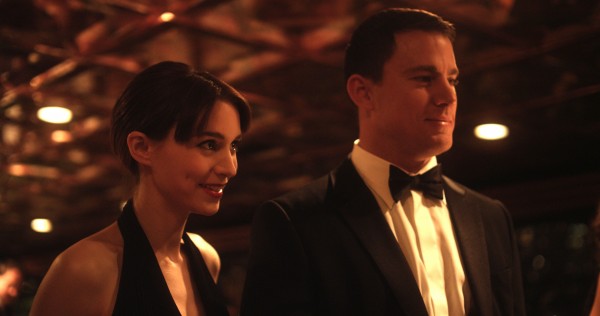
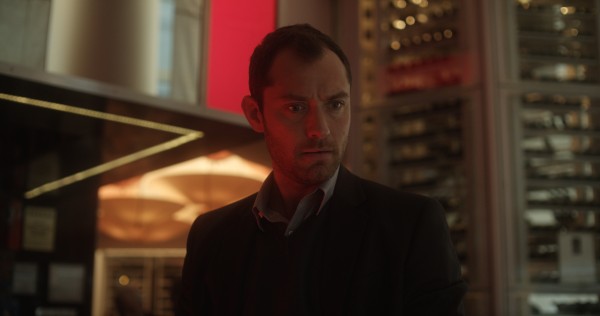
Up until the twisty, overwrought thriller-y final quarter in which we learn that nothing is what it seems, Side Effects is one of Soderberg’s greatest achievements, as he exposes the ugly side of the medical profession, while at the same time placing his finger on the pulse of society’s over-reliance on prescription drugs. Emily Taylor (Rooney Mara), who has a history of psychological issues which she believed had been resolved, takes a bad turn when her husband Martin (Channing Tatum) is released from a four-year stint in prison. The readjustment is too much and she quickly descends into a downward spiral of depression as she deals with the shame of her husband’s crimes and suddenly having him back home again. Her therapist Dr Jonathan Banks (Jude Law) prescribes a string of pills to help her but none of them seem to work and Emily becomes suicidal. On the suggestion of Emily’s former therapist Dr Victoria Seibert (Catherine Zeta-Jones) Dr Banks reluctantly prescribes an experimental drugs called Ablixa, which results in horrifying side effects.

side3

This thematically dense drama has an undeniable tension throughout as it examines the effects of depression on those suffering it, those around them and the sufferer’s doctor and delves into rarely explored territory about the ethics behind prescribing medication. Soderberg’s production looks slick but this veneer, juxtaposed with the raw, warts and all script and performances offer a fresh take on the subject matter. He seems to be stretching himself as a film maker, taking this topic deadly seriously as he ropes in his usual distracting colour code obsession (this scene is all  blue, this one is yellow etc) and gone for a more subtle, realistic approach to the lighting.

The final 20 minutes, in which thriller aspects are exploited for a hollow gut punch finale, threaten to cause this film to fall apart. These hard to swallow, showy twists run the risk of undoing the great work Soderberg and screenwriter Scott Z. Burns have achieved up until that point. Had they continued with and focused on the drama instead of the thrills, this could have become a remarkable film. Climactic misstep aside, it is the build up that will remain on our minds. If only there was a pill to help us forget the end.

Film Review – The Paperboy

Posted in Uncategorized on February 28, 2013 by Reel Review Roundup

The Paperboy (MA)

Directed by: Lee Daniels

Starring: Zac Efron, Matthew McConaughey, Nicole Kidman, Macy Grey

Three and a half stars

Review by: Julian Wright

Why is it every time that I see a Lee Daniels movie, I feel the need to bathe with a wire scrubber afterward? The man has a taste for the unpleasant and nasty – first with the incessant abuse and degradation in the city slums in Precious, and now in the sloppy, swampy backwaters of a trashy Florida town in the 1960s. To his credit, he captures them beautifully (or is that horrifically?), and tackle topics that others would run screaming from. But not only does Daniels like to show us things that would make our skin crawl or our stomach churn, but he loves to catapult his audience into the thick of the unpleasantness. While The Paperboy is a more pulpy version of nastiness than Precious and made more palpable with dark humour and a cheeky attitude, by the end, you will feel like you have been dragged kicking and screaming through those sludgy, alligator infested waters.

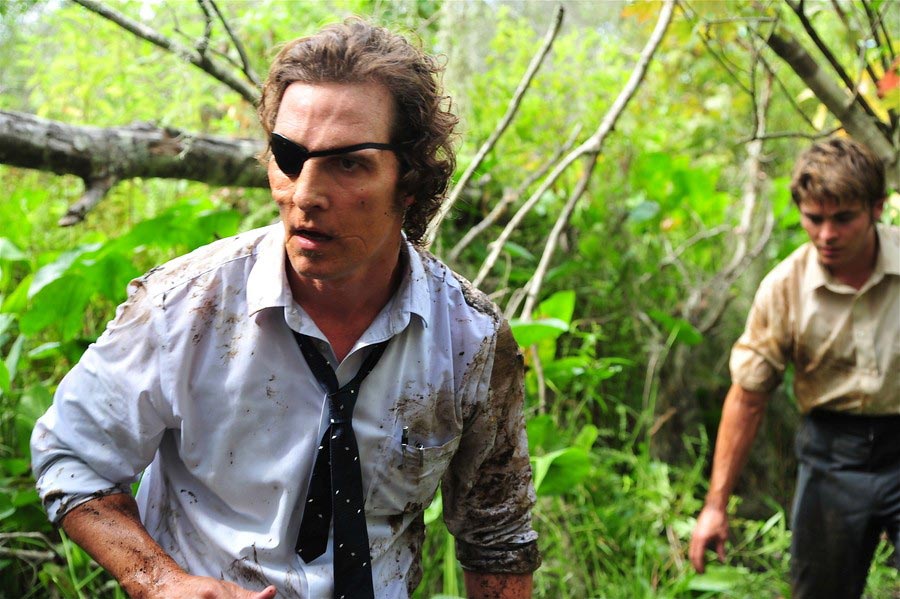
You can almost smell the sweat and feel the grime in this tawdry thriller that has a reporter, Ward Jansen (Matthew McConaughey) return to his home town to investigate a murder case. The bone-chilling Hillary Van Wetter (John Cusack) is on death row for the murder of the town’s unpopular sheriff, but his sexually charged pen-pal sweetheart Charlotte Bless (Nicole Kidman) is convinced of his innocence and wants him released so they can marry. Ward and  his colleague, a very proper British fellow named Yardley Acheman (David Oyelowo) set up office in the Jansen family home’s shed to dig a little deeper, with the help of Ward’s younger brother Jack (Zac Efron), who is on the verge of manhood and has affections for Charlotte.

paperboy2

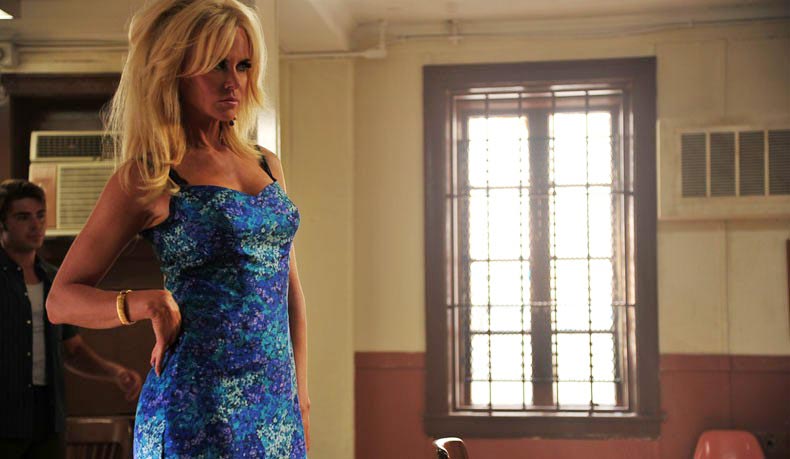
On the surface, this seems like a straight forward drama/thriller but it is laced with surprising and confronting sequences that get the blood pumping. Of course there is the much talked about Kidman-urinates-on-Efron scene which is actually one of the more refreshingly lighter moments in an otherwise heavy film. But there is also Charlotte and Hillary’s eye-opening first face-to-face encounter that is so steamy that it could fog up your spectacles. In fact, it is Kidman in her supporting role, who figures in both these scenes, that shines as she fearlessly throws herself into these scripted situations and proves yet again that she is daring, game and one of the most adventurous actresses working today. Could you imagine Hollywood sweetheart Julia Roberts squatting over her leading man to relieve herself, or Sandra Bullock tearing at her stockings to give her onscreen lover a clearer peek up her tight skirt?  She is matched by the ever reliable McConaughy, and Cusack, who sheds his good guy persona and turns in a chilling performance worthy of recognition.

paperboy3

Unfortunately the number of sequences that do not stand out is significantly higher than the ones that do. Despite an abundance of twists, this story rattles on as it attempts, unsuccessfully, to explore far too many themes. Had it bitten off an appropriate amount to chew on for what is essentially a trashy thriller, The Paperboy might have been less of a shore. Instead, this cousin to the deliciously fun and equally sleazy Wild Things (1998) tackles class, gender and race struggles that were experienced during the era in which the story is set. But adding substance to pulp doesn’t always work.

Daniels’ other misgivings is his inability to strike the correct pace. While the pacing finally picks up in the twist heavy final half hour, those twists do become exhausting and serve to just extend the film’s running time. Had they been spaced out or come a little earlier in the all too relaxed midsection, the ride might have been more consistently entertaining. However, this tale is far too fun for the most part to be wholly dismissed as the train wreck it has been often incorrectly labelled as. Slammed for being trashy, like it is a bad thing, but it is the film’s saving grace. That and Kidman’s unforgettable performance.


Film Review – Anna Karenina

Posted in Uncategorized on February 18, 2013 by Reel Review Roundup

Anna Karenina (M)

Directed by: Joe Wright

Starring: Keira Knightley, Jude Law, Aaron Taylor-Johnson

Three stars

Review by: Julian Wright

When a literary classic has been around since 1877, been read by millions throughout several generations and adapted countless times between film, theatre and television, it takes someone with an abundance of cinematic flair to warrant another return to the screen. Period drama fanboy Joe Wright, who is no stranger to adaptations (Pride and Prejudice, Atonement), has some great ideas, not all of which are perfectly executed when bringing the tragic love story of Anna Karenina to the big screen. It is just too bad that his leading actress is not quite as imaginative when it comes to her performance.

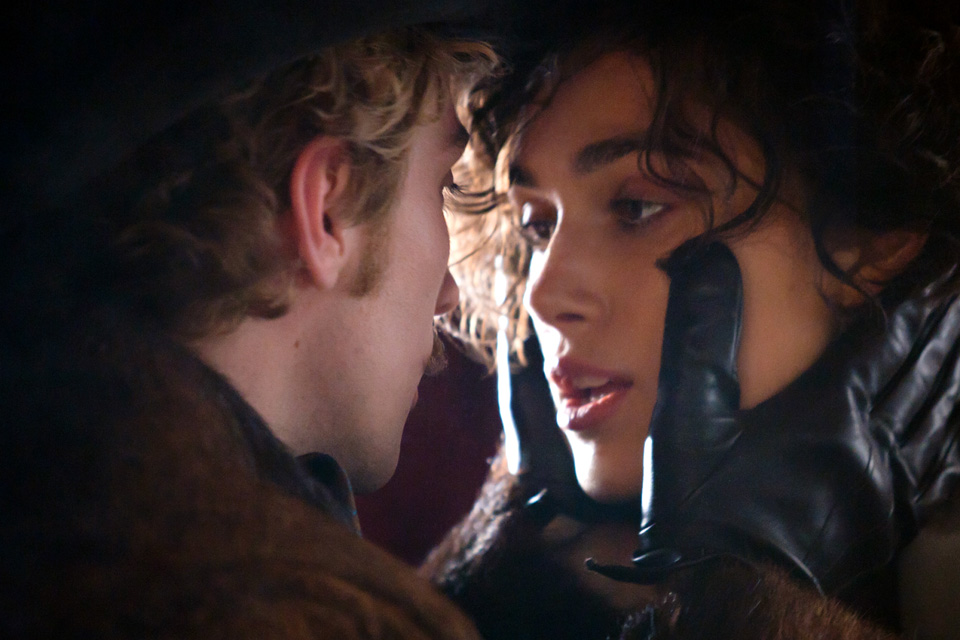
In an immaculately designed grand theatre, Wright recreates 1874 Russia in which Anna Karenina (a particularly weepy Keira Knightley) finds herself stuck between a rock and a hard place. The young and spritely wife, mother and socialite is called to visit her brother Prince Stepan Oblonsky (Matthew Macfadyen), who was caught having an affair. While Anna tries to patch up his broken marriage to the devastated Princess Daria (Kelly Macdonald), she finds herself covering the cracks in her own to Alexi Karenin (Jude Law). Anna has a chance encounter with Count Alexi Vronski (Aaron Taylor-Johnson) and there is an immediate attraction. At first Anna resists, but temptation eventually takes over and the two find themselves madly in love with each other. Anna cannot divorce her husband, but makes the bold choice to continue to see her soul mate, even if it does affect her mental state, as she suffers from jealousy, insecurities and the judgements of others in society.

anna1

Even when we take into account the source material and era the story is set in, this feels like such a huge leap backwards in terms of lead female characters. We are sympathetic to Anna’s struggles and the restrictions placed on women and their feelings in the 1800’s, but this is like rehashing something that we already knew without any new angles being explored. That is not to suggest that we should bury “old” literature simply for the sake of moving on, but perhaps a less fragile performance or a slight tweak to the character might have been beneficial. Karenina is a fleshed out character, but Knightley does little to make this woman appealing, opting for tears and tantrums over quiet fearlessness and bravery. It appears that Knightley’s well of ideas for her performance dries up at an alarming rate as she resorts to crying scene after scene, which becomes boring for the audience. Keeping in mind, this comes hot on the heels of Zero Dark Thirty, a reflection of roles women play in society today and boasts a powerful female character that is not burdened or defined by love or romantic relationships. Women have come a long way and to wallow in their once helplessness feels counterproductive.

While Knightley spends most of her screen time as a blubbering mess, it is just as well that we have Law and Taylor-Johnson to keep things lively with their equally passionate performances offering some variety. Law keeps his character’s emotions simmering beneath the surface, creating much of the film’s tension. You wonder when he is finally going to snap over his wife’s infidelities, if ever. Taylor-Johnson swings from charming to dismayed as he begins to see the situation slowly driving Anna over the edge.

anna2

Wright’s unusual, but ultimately arresting and striking methods for bringing this story to the screen yet again allows it to be distanced from other attempts. He creates much of the story in a theatre, with backdrop changes indicating a change of scenery, and utilises the seating section to open up the scope somewhat, while his camera effotlessly glides through time and space to bring the story together. His splendid theatrical visuals are at first puzzling but eventually bewitch us before, in several sequences, are abandoned; an unfortunate inconsistency.

As passionate and visually stimulating this adaptation is, it does feel like all involved are trying desperately to add freshness to a story that may have lost some of it over the centuries and re-tellings. Some of the power of the situation is dulled – in a time where we now live our lives in front of an audience on the internet, Anna’s predicament that is thrust into the public eye and scrutinised by her judgmental peers seem almost a non-event. As a study of a descent into madness, it takes far too long to get going and as a study of women in the 1800’s it offers little insight. As a study of forbidden romance it does offer a much-needed spark.

Film Review – Movie 43

Posted in Uncategorized on February 14, 2013 by Reel Review Roundup

Movie 43 (MA)

Directed by: Various

Starring: Kate Winslet, Hugh Jackman, Halle Berry, Johnny Knoxville, Emma Stone, many more

Three stars

Review by: Julian Wright

Several years in the making, not previewed for critics, box office bomb, unceremoniously derided by critics when they eventually saw it and labelled it one of the worst films ever made. Those that have not checked it out  have been urged to avoid at all costs. All signs point to “Beware of Movie 43!!” What could possibly be so bad about a star-studded collection of off-colour skits strung together for a 90 minute adult version of Saturday Night Live?  To be fair, the extended production was not an issue of funding or studio interference (usual signs of a dud film), but the only way the plethora of A-listers were able to participate. The numerous directors involved had to wait until the in-demand stars had a lull in their schedules before they could commit. But getting past the only reported production hurdle, one’s interest is piqued at what has angered so many viewers. Anyone who had seen the envelope pushing red band trailer would have known what they were in for.

Movie 43 is the gross out humour without the heart, the shock tactics without the charm. Unabashedly cheap, low brow and childish. This hated effort aims for laughs exclusively with poop, fart, menstruation and masturbation jokes. Those expecting anything else need not apply. The good news, for those that have not yet closed down this review in disinterest or disgust yet, is that some of it is actually funny. Side splittingly funny, in fact. My film critic peers may demand I cut up my film reviewer card into 100 pieces, burn them then return the ashes, but I laughed a lot.

movie3

Desperate hack screenwriter Charlie Wessler (Dennis Quaid) tries to convince studio executive Griffin Schraeder (Greg Kinnear) to buy his hand scribbled script for a new comedy. Each skit he describes from his script, we get to witness acted out by some of Hollywood’s finest. This rarely amusing framing device is fairly pointless and a weak window into these mini-comedies. Two love struck 20-somethings (Emma Stone and Kieran Culkin) express their feelings in a verbally graphic manner with elderly witnesses. A teenage girl (Chloe Grace Moretz) experiences her first period in a house full of insensitive boys and men. A blind date becomes super awkward for a woman (Kate Winslet) when it is revealed the man (Hugh Jackman) has a scrotum dangling from his neck. That is just to name a few.

It is not smart or witty, but the cast are fearless and game. It is admirable that Oscar nominee Naomi Watts took a few days out of her schedule to awkwardly woo her on-screen teenage son. And that Anna Faris, who hasn’t appeared in anything good lately anyway, would risk putting the final nail in her career’s coffin by asking her husband to romantically poop on her. And that the stunning Halle Berry would allow herself to look completely ridiculous in a faux cosmetically enhanced state – and mix guacamole with her right breast. Seriously, you have to see it to believe it. The jokes are rude, crude, disgusting and absolutely childish, but everyone involved just wants to have a bit of fun. And it shows. It is great to see this handful of respected actors, who mostly appear in dramas, lighten up for once. Besides, where else are you going to get a crudely animated cat masturbating furiously over pics of Josh Duhamel in a Fatal Attraction style comedy quickie? Not all the skits work (the superhero speed dating one is imaginative and yet it had the most jokes fall flat), the build up is often much funnier than the punchline, and sometimes it just comes off as a big old mess, but even if your face muscles don’t even twitch, this is quite an experience.

Film Review – Hansel & Gretel: Witch Hunters

Posted in Uncategorized on February 6, 2013 by Reel Review Roundup

Hansel & Gretel: Witch Hunters (MA)

Directed by: Tommy Wirkola

Starring: Jeremy Renner, Gemma Arterton, Famke Janssen

Three stars

Review by: Julian Wright

Witch hunter fan boys. A horny troll. Popular fairy tale characters with potty mouths. Welcome to the fast, furious and deliriously dopey world of Hansel & Gretel: Witch Hunters. Taking that childhood Brothers Grimm fairytale favourite about a pair of siblings that escape the clutches of a nasty witch and giving it a good old Hollywood twist for modern teen audiences, this unapologetically silly re-imagining is short on brains but long on laughs.

The familiar part of the story kicks off the film: young brother and sister Hansel and Gretel are escorted out into the woods in the middle of the night by their father and left alone. They stumble across a gingerbread house and are lured inside, only to discover this tasty and sugary sanctuary is inhabited by an evil witch with a thirst for young blood. The pair of pre-teens overpower the witch and burn her to death. And that is just the snappy prologue.

hansel1

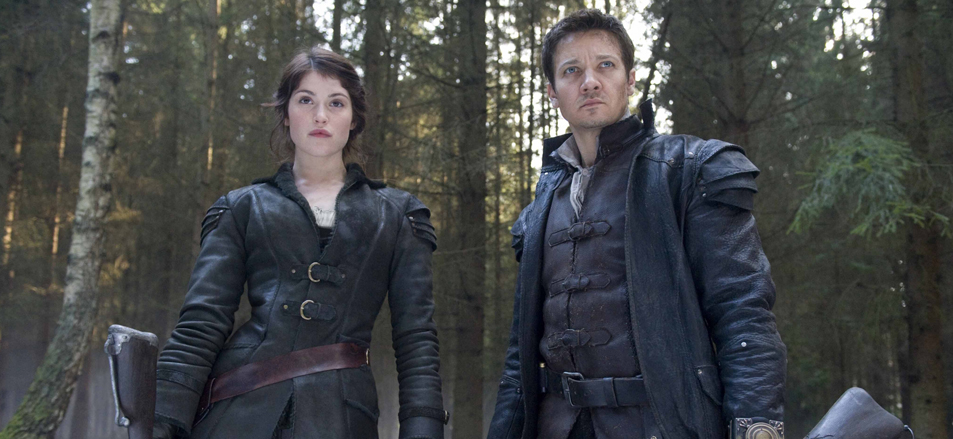
Cut to “several years later” and the duo are all grown up. Hansel (Jeremy Renner) and Gretel (Gemma Arterton) are full-blown witch hunters, clad in leather and toting souped up shot guns. They hop from ye olde town to ye olde town, vanquishing any nasties that threaten local ankle biters. Their greatest challenge comes in the form of Muriel (Famke Janssen) who, with the help of her obedient troll Edward (oh yes, the troll has a name) and her collection of cronies, is nabbing children to complete a sacrifice on the night of the Blood Moon (the night the moon turns red. Clever, right?). When Gretel is abducted by the witches for the sacrifice, Hansel recruits witch hunter wannabe Ben (Thomas Mann) and local good witch Mina (Pihla Viitala), who has the hots for Hansel. Speaking of having the hots, Edward takes a fancy to Gretel. Yep, it is that kind of off the wall film.

Between the action, gadgets, makeup, special effects, gore and studio back-lot looking sets (and people criticised The Hobbit for looking fake) there is a healthy collection of amusing gags and not so intentionally amusing moments. With clunkers like “This is not a normal witches lair”, it becomes increasingly difficult to keep a straight face. But then again, writer/director Tommy Wirkola doesn’t really want us to. The updates and twists to the story are a hoot – Hansel has diabetes due to his childhood binge and the two often drop the F-bomb. This is all too silly for adults, but far too dark for children, who are the ones that would have had the most recent encounters with the source material. Ultimately, this is aimed squarely at the teenage crowd. And with the brief T and A, the teenage male crowd.

Delayed to cash in on Renner’s predicted fame (this was filmed before The Avengers and The Bourne Legacy were released but still after his Oscar nomination for The Hurt Locker), yet the now-star is given nothing to work with other than the occasional one liner and cool pose. Ditto for Arterton, whose career didn’t go anywhere in the 10 months between filming and release. But anyone coming to see this film for revelatory character work are either a few toad’s legs short of a magic spell or are kidding themselves. Instead, the leads spend most of their screen time airborne from being thrown around or slamming into the ground from being thrown around. Or is it their stunt doubles we see most of? It is often hard to believe that Hansel and Gretel have been successful in their witch hunting when they take more hits than they give. Except, of course when it is convenient for the plot, then they get to kick some sorceress ass. Wait, why am I searching for logic all of a sudden?

Hansel & Gretel: Witch Hunters is released in Australia on February 7.

Film Review – Elles

Posted in Uncategorized on February 5, 2013 by Reel Review Roundup

Elles (R)

Directed by: Malgorzata Szumowska

Starring: Juliette Binoche, Anais Demoustier

Three and a half stars

Review by: Julian Wright

By now, it would seem all motives for turning to prostitution have been covered. Unless there is some new psychological drive that is yet to be unearthed, the endless exploration in literature and film has revealed about as much as it possibly can. Money, power, pleasure, survival – all reasons since the dawn of time for people to become prostitutes. Elles doesn’t offer any new insights into the industry as its lead character, the upper class but scrappy journalist Anne (Juliette Binoche, in a sensationally delicate yet raw performance), delves into the lives of a handful of female students who have, for one familiar reason or another, turned to sex for cash to get by. Their motives are conventional and their clients are of the clichéd variety – the shy one, the dominant one, the sensitive one, the kinky one etc. For a time, the article being researched, much like the film itself, threatens to become one of the most dull on the topic. Even the student prostitute angle was covered in the little seen Australian film Careless Love (2012).

Eventually, one may begin to wonder why Anne throws herself so deeply into her research and staunchly defends the article to her editor, and why the film makers have bothered to tackle the topic of prostitution without having anything new to add. But as the layers are peeled back in the final moments of Elles, it becomes clear that that is not entirely the point. While covering familiar territory, which can at times be difficult for the viewer to have to sit through, there is more to this particular story than trying to gain a deeper understanding of this seedy business.

elles1

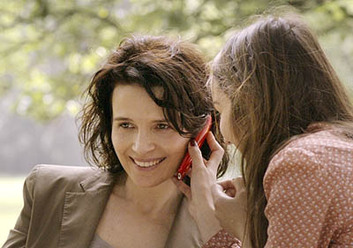
It is a particularly busy day for Anne in her lush Paris apartment, in which she transcribes her recorded interviews with three young prostitutes while she deals with her bratty teenage son and her unappreciative husband, prepares for a dinner party, wrestles with a broken fridge door, and suffers kitchen related injuries. While trying to piece her article together, between heated conversations with her editor who threatens to cut its length, Anne goes back over her time spent with the young women and the sexual encounters they have described to her.

Throughout the day, Anne’s frazzled behaviour seems, on the surface, to be that of one that cannot deal with these daily pressures but it is in some key final few moments that help us piece it all together. Her edginess goes much deeper. This is as much about a sexually frustrated housewife coming to terms and dealing with her own hidden desires as it is about the ins and outs (pardon the pun) of prostitution. While we have to pay our timely due by witnessing all the interviews and Anne’s graphic imaginings of sessions between the prostitutes and their clients which shed little fresh light, the big reveal brings all the subtle hints of her main dilemma together in one compact but important scene. This is the kind of movie you get much more out of once it has finished and you reflect on it than you do while you are watching it, which may prompt a second viewing. It is getting to Anne’s core that resonates more than the film’s botched attempts to go beneath the surface of the prostitution industry.

Elles has a limited Australian release from February 7.

Film Review – Zero Dark Thirty

Posted in Uncategorized on January 30, 2013 by Reel Review Roundup

Zero Dark Thirty (MA)

Directed by: Kathryn Bigelow

Starring: Jessica Chastain, Jason Clarke, Kyle Chandler

Four and a half stars

Review by: Julian Wright

How do you make a 157 minute procedural with an already known outcome feel like a zippy, 90 minute, sweat inducing, white knuckle thriller? Director Kathryn Bigelow and writer Mark Boal seem to have found the winning formula with Zero Dark Thirty, which chronicles the 10 year hunt for al-Qaeda leader Osama bin Laden in the wake of the devastating World Trade Centre attacks in 2001. Getting into the nitty-gritty of the historical search, this is much more than an extended episode of CSI. In fact, Zero Dark Thirty has more in common with David Fincher’s breathtaking Zodiac (2007), which offered every gruelling aspect into the hunt for the unidentified 1970s serial killer. Bigelow too, follows very closely almost every minute aspect of the investigation from the promising leads to the frustrating dead ends.

It is to Boal and Bigelow’s credit (as it was to Fincher’s when he took the more is better approach), that they have not glossed over the set backs, the human errors, the behind the scenes screw ups that took place because, contrary to what you may think, these hurdles that continue to pile up just help to twist the screws of suspense even tighter. This wouldn’t feel like a genuine investigation of a real life case without the precious details. To skip the frustrating set backs in order to fast forward to the happy ending would be a disservice to all those that worked so hard to bring justice to the evil leader. We end up sharing the helplessness and frustration that the characters display so frequently, resulting in a richer cinematic experience.

zero1

Opening with a handful of haunting recorded 911 calls from victims trapped in the Twin Towers on September 11, the scene is set for the hunt that will consume the following 140 minutes and the characters involved. CIA operative Maya (Jessica Chastain) has spent her entire career since high school looking for the elusive leader of al-Qaeda from a desk in the United States. In light of the attacks on New York, Mya, who has plenty of experience but none in the field, is dropped into the centre of it at a Pakistan black site where her colleague Dan (Jason Clarke) tortures suspects for information on Osama Bin Laden. Sparking controversy, this 45-minutes of torture activity, with a rattled Maya hovering in the background waiting for the vital info to spill, has caused some to believe the film is pro-torture. But the means of extracting clues and leads in these sequences are anything but glorified. The horror is unsettling and the actions questionable. No one is encouraging the audience to cheer for more gore or torture devices to be wheeled out. The methods often lead to nowhere, an indication of its ineffectiveness.

Throughout the 10 years, Maya (understandably) goes through a gamut of emotions: enthusiasm, determination, loneliness, desperation, hopefulness, hopelessness, frustration, relief. It is a fitting showcase for Chastain’s vast talents to shine. Most actresses are only given the opportunity to express half these shades of emotions over several films. Chastain brings us a full character, one that is career minded (perhaps to a fault) and not interested in a personal life, but doesn’t lack personality and remains multi-layered. Bigelow’s handling of this woman in a man’s world is also fascinatingly understated. While Maya struggles to be recognised and heard amongst her male peers, she is able to, on many occasions, break through the glass ceiling – and yet no one is making a feminist point. Echoes of strong-willed but vulnerable Clarice Starling from The Silence Of The Lambs hang in the air, a similar procedural heroine that was treated like a woman and not a statement.

If the procedural elements aren’t exciting enough for you, there is the climactic sequence in which the team of Navy SEALs navigate bin Laden’s compound hideout in the dark. So rarely has silence been used so effectively and such film making skill been on display. The impressive sequence leads to the icing on the cake final moment we have with Maya once the dust settles. This isn’t about American flag waving and self-congratulatory back patting. Reinforcing this as a character study and an attempt to ask “was it all worth it?” as much as it is a recount of historical events, we are left with an exhausted, relieved yet strangely devastated Maya – a beautiful moment that concludes an insanely tense journey.

Film Review – Flight

Posted in Uncategorized on January 28, 2013 by Reel Review Roundup

Flight (MA)

Directed by: Robert Zemeckis

Starrig: Denzel Washington, Kelly Reilly, Don Cheadle, John Goodman

Four stars

Review by: Julian Wright

Welcome back, Robert Zemeckis! Well, not that he really went anywhere. The prolific director behind classics Back to the Future, Who Framed Roger Rabbit and Forrest Gump has been consistently creating films for the last 35 years. He has been a little distracted for the last 12 of them pouring his time and skills into some less than worthy projects – the animated, motion capture films The Polar Express, Beowulf and A Christmas Carol. Using real actors but pasting over them with CGI has generated strange results – stories have been able to be brought imaginatively to life, which is more than we can say for the dead looking characters. But this guy is all about extracting astounding performances from talented actors Tom Hanks (Forrest Gump and Cast Away), Jodie Foster (Contact) Christopher Lloyd (Back to the Future) and Bruce Willis (Death Becomes Her). Thankfully he has put his computer and those little green motion capture balls aside and decided to go back to capturing un-enhanced performances.

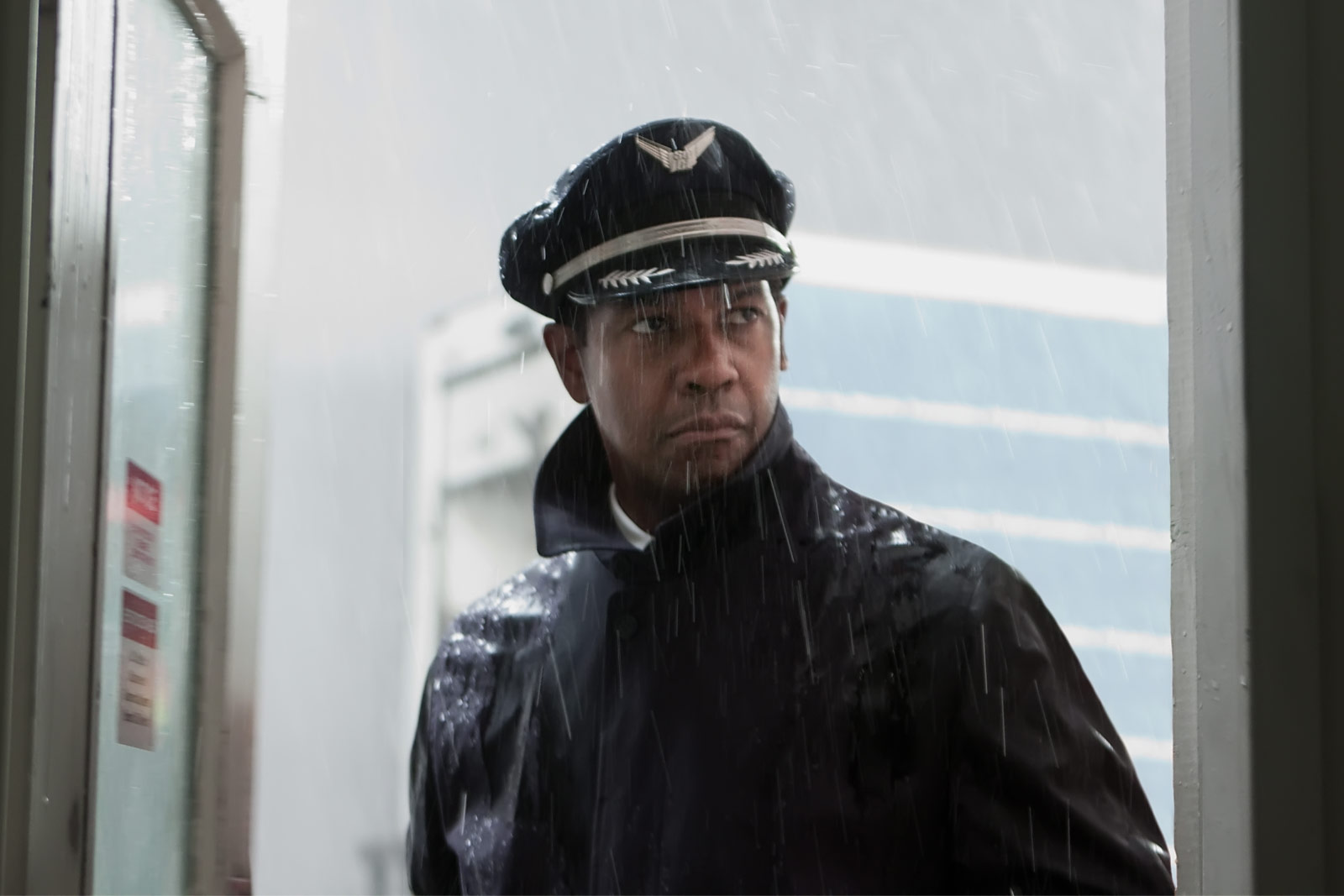
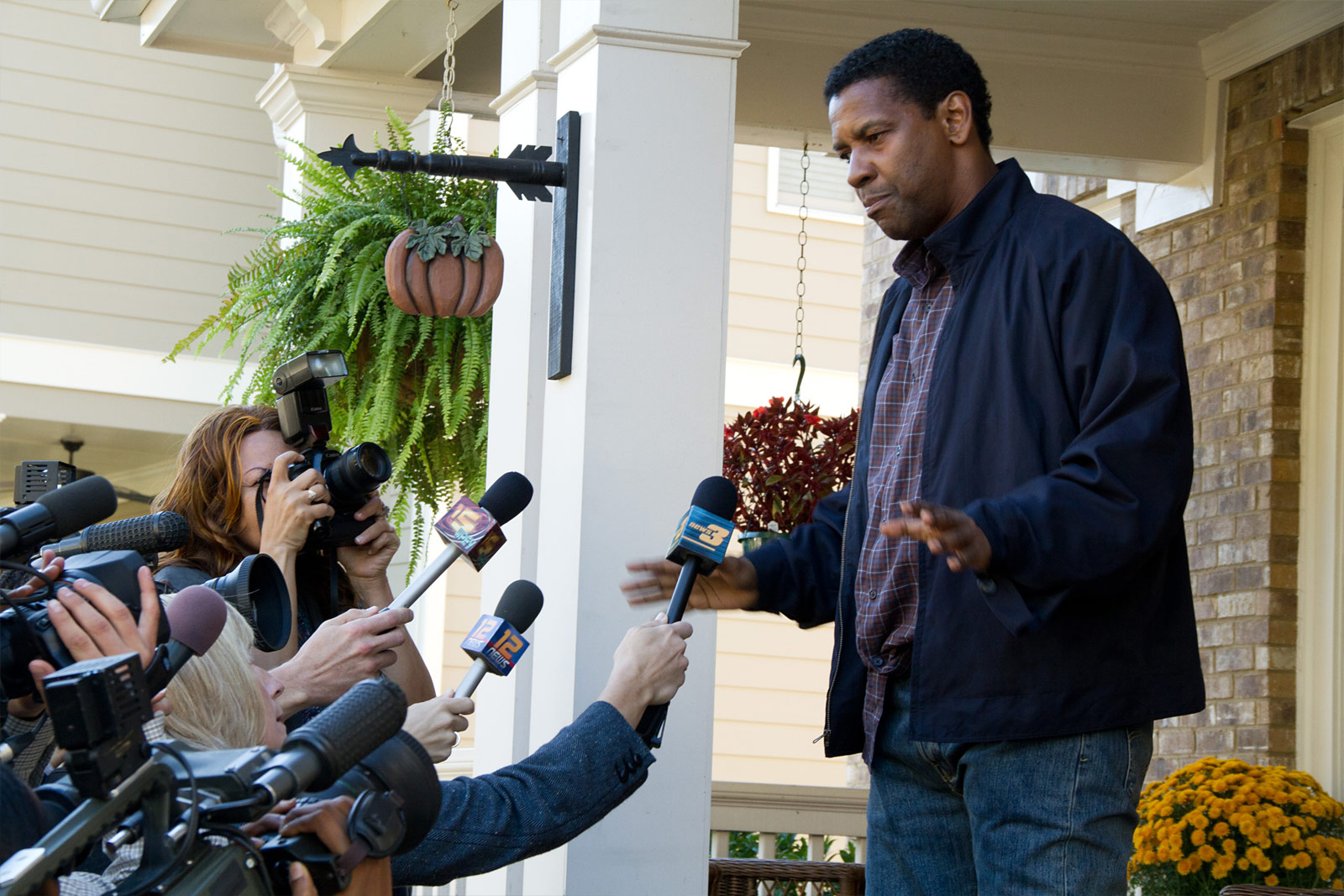
Flight, Zemeckis’ first film with humans to appear as themselves since Cast Away (2000), toys with addiction and morality as it explores the plight of a drunk, drugged up pilot who saves the majority of his crew and passengers when the plane’s engine quits mid-flight. As the aircraft nose dives to the ground, Whip Whitaker (Denzel Washington) flips the plane upside down to even it out before flipping it back up-right and crash landing it in a safer fashion. But was it the pilot’s skill that landed them safely or pure luck, seeing as the radical decision was made by an intoxicated man?

flight1

The act makes Whip a an international hero while the airline and its lawyer (Don Cheadle) work hard to cover up his blood alcohol content in the investigation. Meanwhile, the cocky pilot, who was never compelled to face his alcoholism even when his marriage failed or when it affected his relationship with his teenage son, hits the bottle harder as guilt sets in. The fateful turn of events leads him to meet drug addict Nicole (Kelly Reilly) who is far more interested in cleaning up her act than Whip. The dynamic of the relationship – she struggles to get her life together but it forced to watch her partner descend deeper into addiction hell – is not the main focus of the story (it could have been explored further) but is the heartbreaking centre. These two lost souls have found each other but it is their diseases, or their varying degrees of motivation to change, that keeps them apart.

flight2

Perhaps we are just used to seeing the soulless and creepy looking animated characters in Zemeckis’ last three films, but everything in Flight seems much more emotive, from the direction to the performances. There is heightened drama, and the soundtrack is rather intrusive, but Zemeckis is mostly interested in his lead performer and telling this story of the crippling inner struggle of an alcoholic. Washington also makes a comeback of sorts, tackling his meatiest role in at least five years, and delivering a much deserved Oscar nominated performance. Always solid in his action film choices, he goes the extra mile with this character.

Zemeckis doesn’t do himself any favours by injecting humour into this dramatic struggle (although John Goodman as the comic relief is fabulous); playing it straight would have made for a more effective film. It also goes a bit too far in the final minutes, but his attention to character and his determination to reveal the horrific behaviour of alcoholics and the impact they have on others  is still to be commended. This is some of the most serious stuff he has tackled and he has pulled it off.

Film Review – The Impossible

Posted in Uncategorized on January 28, 2013 by Reel Review Roundup

The Impossible (M)

Directed by: Juan Antonio Bayona

Starring: Naomi Watts, Ewan McGregor, Tom Holland

Three and a half stars

Review by: Julian Wright

I had heard the praise and I had heard the controversy. Australia’s delayed release of The Impossible, about the deadly tsunami that swept through Asia in 2004, meant we were getting it after the internet had already lit up amidst a storm of protest from many about adjustments the film makers had made to bring the story to the big screen. Their decision to narrow the scope and focus on the plight of one surviving family that were visitors to Thailand at the time the disaster hit and to change their race from Spanish to British caused quite a ruckus. A curious choice, one can assume for reasons of maximum audience appeal and box office success. Quite unfortunate.

I was willing to go along with it because there is much to explore with the fish out of water situation of a family in a strange land having to navigate not only a foreign landscape, but one that is devastated by the unexpected and sudden tsunami wave. That enduring fight to survive magnified in strange surroundings and also stripped of creature comforts such as phone communications, first class medical treatment and transportation after a horrific natural disaster. This isn’t to say that this particular family’s experience was more scary, dramatic or terrifying than those than anyone else’s, but one cannot deny there is room here for a confronting and heightened dramatic look at the devastating event.

impossible1

While it is deeply unfortunate that in this version, the story of the millions of families that lived in the affected areas and their triumphant spirit to rebuild after such devastation remains untouched, it is not a reason to dismiss The Impossible. There are countless sides to this story, and The Impossible is just one. However, director Juan Antonio Bayona does himself a disservice with some lapses in judgement that come off as insensitive oversights that threaten to undo his otherwise outstanding work.

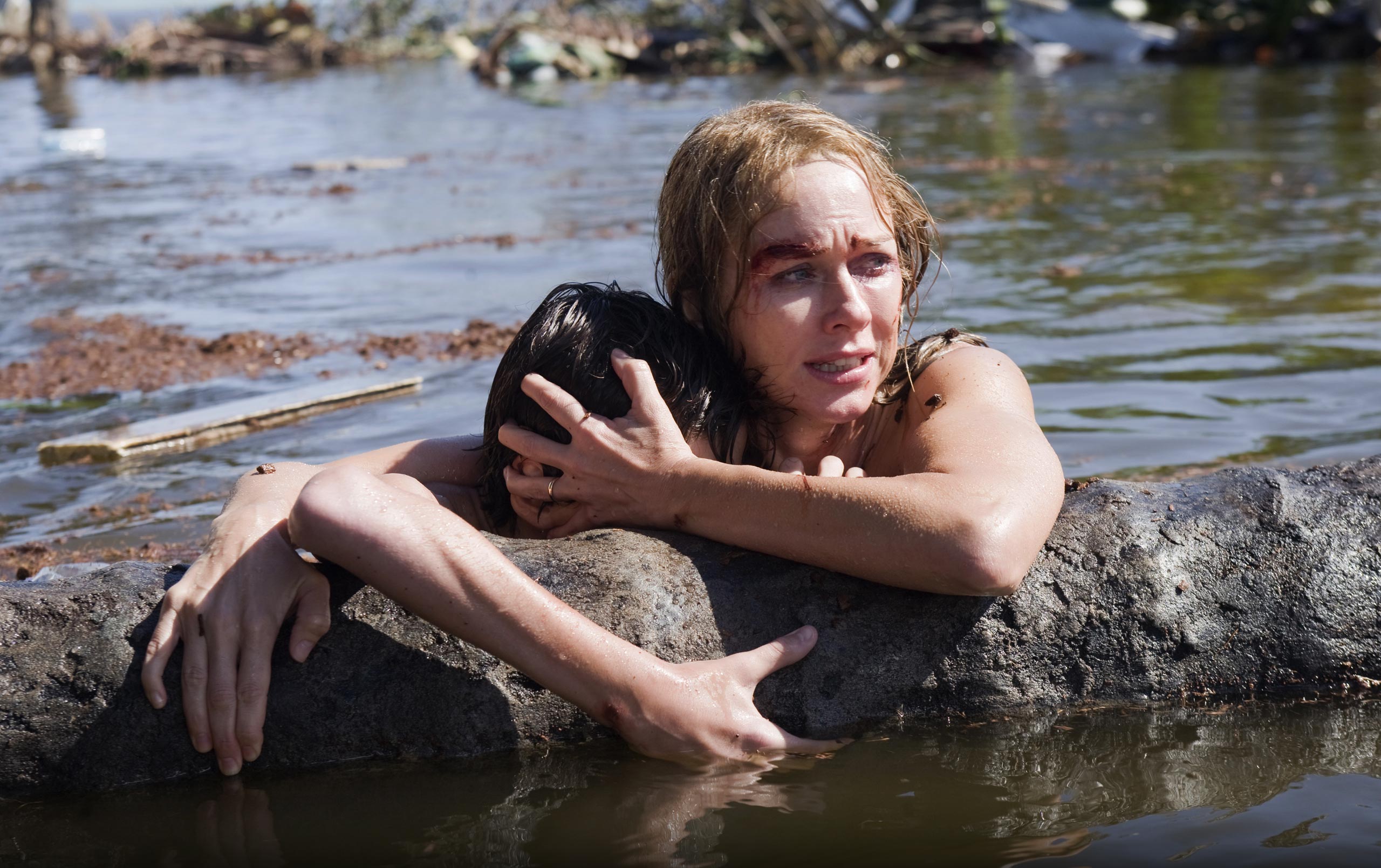
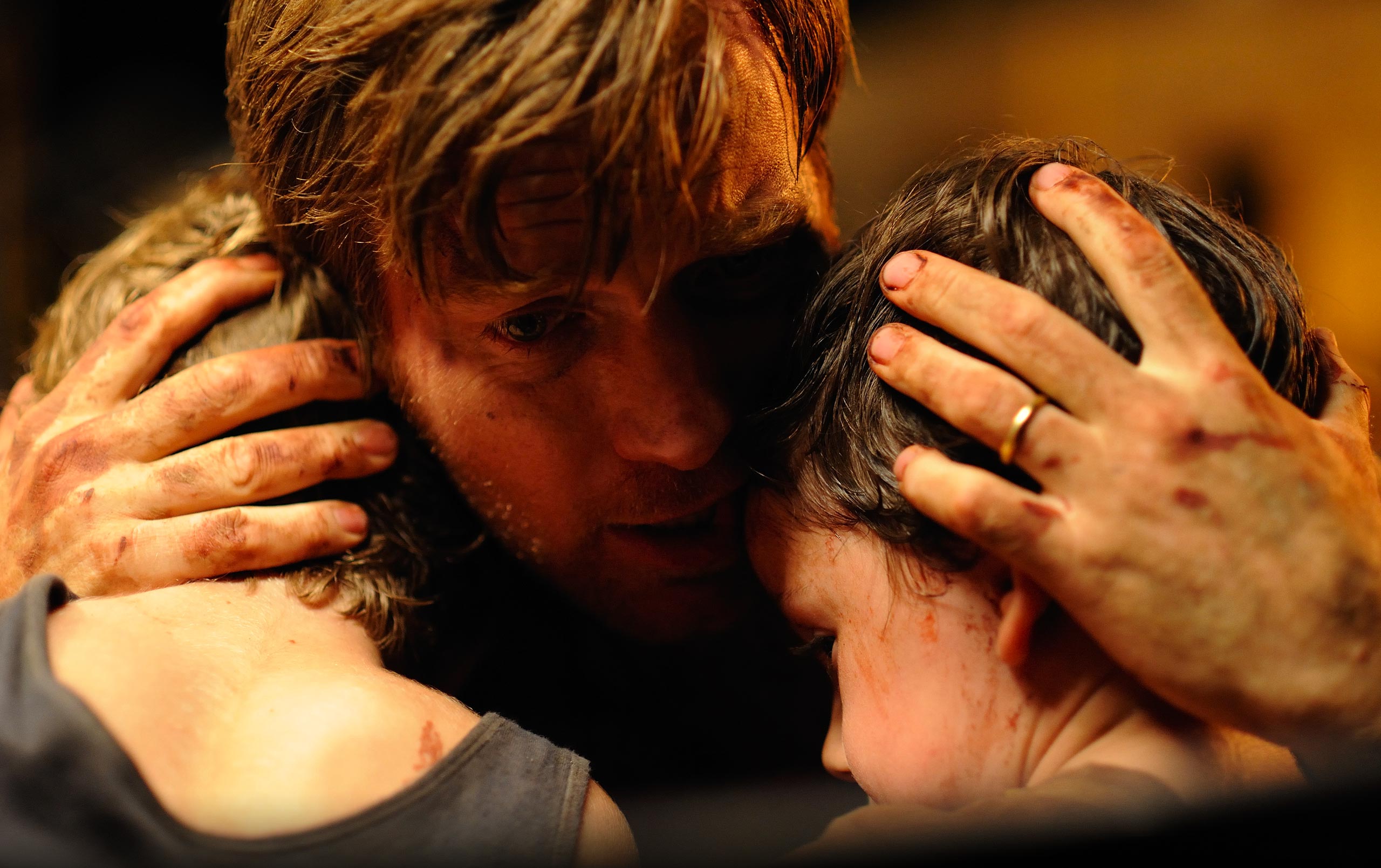
We are given a brief introduction to the holidaying Bennett family: Maria (Naomi Watts) and Henry (Ewan McGregor) and their three sons Lucas (Tom Holland), Thomas (Samuel Joslin) and Simon (Oaklee Pendergast) on a bumpy plane ride to Thailand (the nerves exposing  turbulence is a particularly on the nose opening) before they settle in their luxurious resort room. After exchanging Christmas gifts, the family frolic in the resort pool but their joy is cut short by a wave of ocean water that annihilates everything in its path and separates the family. Maria and Lucas manage to find each other while Henry has Thomas and Simon. The family must wade through all the death and destruction to seek medical help and find each other.

impossible2

Bayona doesn’t shy away from the horror of the situation with the extended wave sequence (revisited later in the film as a flashback), exposing his audience to graphic gaping wounds, and putting us right in the middle of the destruction with the characters. We see and experience what they do. It is a confronting and unsettling position to be in but absolutely necessary. Disaster films have never before felt so scarily authentic. But even after the water depletes, the fight to survive and reunite continues. The two parties of the Bennett family must try to find each other but it is like finding a needle in a haystack. There are thousands of others around them in the same situation and the only people many of these strangers want to help is themselves. Maria, who is badly injured, and Thomas are saved by friendly locals and taken to an overflowing, chaotic and questionable hospital where the language barrier is the least of their problems. Meanwhile, Henry sends his two boys to safer, higher ground with strangers so he can find his wife and eldest son.

While Bayona has made monumental achievements recreating the physical and emotional impacts of the disaster, other elements are sorely misconceived. The only other people the family encounter are English-speaking Caucasian tourists, save for the handful that save Maria and Thomas. Telling one family’s story is excusable, what isn’t is completely ignoring the people who lived there that had to endure its tragedy but also rebuild their lives and homes without many of their loved ones. Trying to spot an Asian face in the hospital scenes is harder than finding the striped character in the Where’s Wally? books. This heartless exclusion of native survivors leaves a bad taste, as does the final scene in which the Bennett family are whisked away on a private jet with so many empty seats while others on the ground, not just the locals but other doomed holidaymakers, are left to suffer. More than likely an accurate scene, but it leaves the viewer with a heavy heart and for all the wrong reasons.

There is no doubting the story is a hard-hitting one, that despite the racial alterations and careless exclusions, still has universal thematic appeal and manages to leave a deep impact. Just try not to shed a tear during this powerful telling of a horrifically upsetting but also uplifting story of hope and courage. It is impossible.